
Back-to-School Mental Health: Breaking the Stigma Around Anxiety and Depression
Back-to-school mental health deserves just as much attention as school supplies, schedules, classes and extracurricular activities. For children, adolescents and young adults heading to school/college, a new school year can bring excitement, hope and new opportunities. However, it can also bring stress, uncertainty and anxiety.
Some worry before the first day is completely normal. In fact, a certain amount of anxiety can help us prepare for change and respond to challenges. However, when anxiety becomes overwhelming or begins to interfere with everyday life, it may be time to take a closer look. Most importantly, struggling with mental health is not a sign of weakness.
At the Rayzors Foundation, we believe that talking openly about mental health can help break the stigma that keeps too many young people from asking for help. Because mental health is part of overall health, seeking support should be viewed as a strength — not something to hide.
Why Does Going Back to School Cause Anxiety?
Returning to school can mean a major transition. A child may worry about a new teacher, making friends, academic performance or fitting in. An adolescent may feel pressure from grades, sports, activities, relationships or social media.
For a young adult leaving for college, the transition can feel even bigger. They may be living away from home for the first time. They may also face financial concerns, academic pressure, roommate issues and the challenge of building a new social circle.
Therefore, feeling nervous before a major transition does not automatically mean someone has an anxiety disorder. The National Institute of Mental Health explains that occasional stress and anxiety are normal. However, anxiety can become a concern when it persists and interferes with daily activities. Learn more about anxiety from the National Institute of Mental Health.
When Is Anxiety More Than “Normal” Back-to-School Stress?
Parents, caregivers, teachers and young adults should pay attention to changes that last or interfere with everyday life. Most importantly, look at how the person is functioning rather than focusing on one difficult day.
- Persistent or excessive worry
- Frequent fear or panic
- Difficulty sleeping
- Frequent headaches or stomachaches without a clear medical cause
- Avoiding school, activities or friends
- Difficulty concentrating
- Declining grades or school performance
- Constant irritability or feeling “on edge”
- Difficulty completing normal responsibilities
These signs do not automatically mean that a young person has a mental health disorder. However, they can be signals that a conversation with a pediatrician, primary care provider, counselor or mental health professional may be helpful.
What About Depression? Is It Normal?
It is normal for children, teenagers and young adults to experience sadness, disappointment or periods of low mood. Starting a new school year can be emotionally challenging. A student might miss friends, struggle with a difficult class or feel disappointed about leaving home.
However, depression should not simply be dismissed as part of growing up. Depression is more than having a bad day or feeling sad about a difficult situation.
The National Institute of Mental Health notes that young people may need an evaluation when symptoms persist and interfere with school, home life, friendships or other areas of daily functioning. Signs can include loss of interest in activities, low energy, changes in sleep or appetite, withdrawal from others, irritability and difficulty concentrating. Learn more about depression in teens.
Therefore, the question should not simply be, “Is this normal?” A better question is, “Is this affecting this young person’s ability to live, learn, connect and enjoy life?”
Mental Health Stigma Can Make Asking for Help Harder
Even when a young person recognizes that something is wrong, stigma can prevent them from speaking up.
They may worry that friends will judge them. They may fear disappointing their parents. They may believe that asking for help means they cannot handle life on their own. Some may even worry that a mental health diagnosis will define them.
These beliefs can create another burden for someone who is already struggling.
We need to change that conversation.
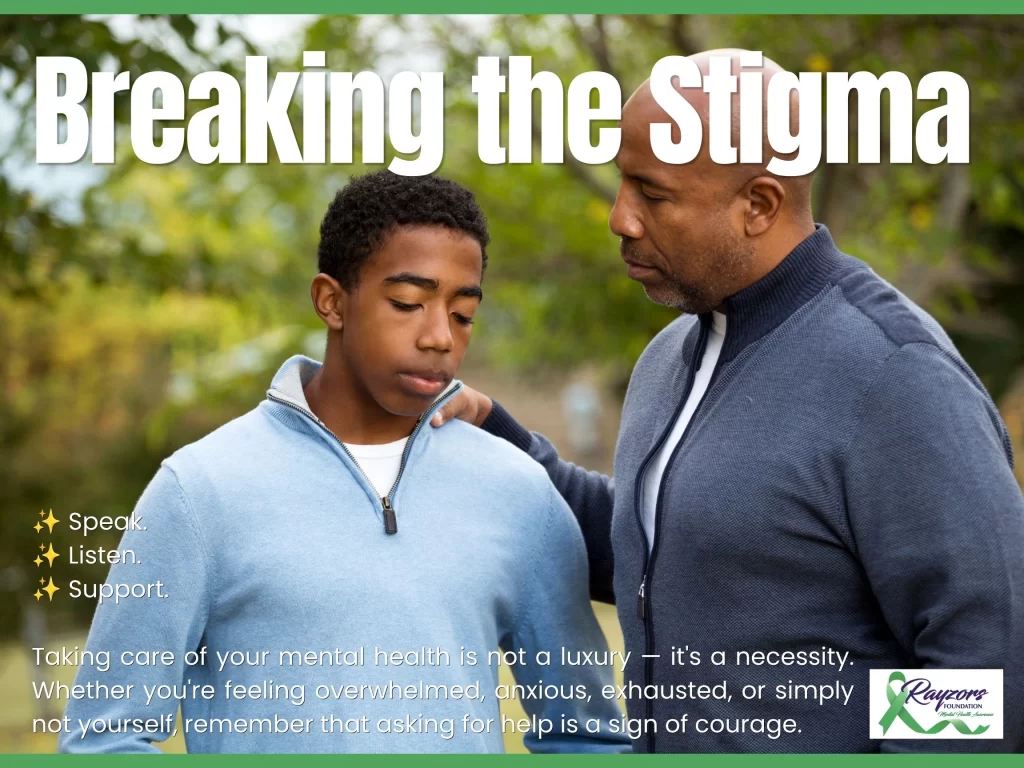
Asking for help is not weakness. It is an act of self-care.
Just as we encourage a student to see a doctor for a physical illness, we should encourage them to seek professional support when emotional symptoms begin affecting their lives. Most importantly, young people need to know that mental health treatment is available and that recovery is possible.
Parents: Start the Conversation Before There Is a Crisis
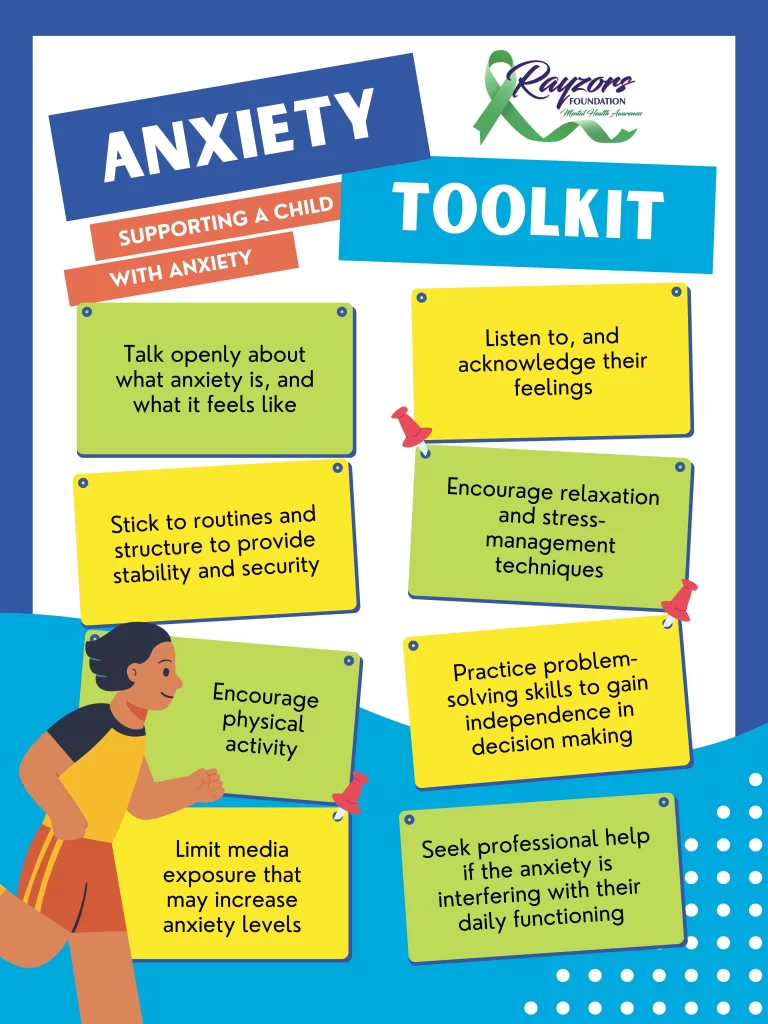
Parents do not need to have all the answers. In fact, they simply need to create a safe place for their child to talk.
Instead of immediately trying to solve the problem, start by listening. Ask open-ended questions such as:
- “How are you feeling about going back to school?”
- “What are you most excited about?”
- “Is there anything you’re worried about?”
- “What has been making things harder lately?”
- “How can I support you?”
Then listen without judgment. Because a young person may not be ready to share everything during the first conversation, keep the door open for future conversations.
College Students Need Support, Too
Going away to college can be an exciting milestone. At the same time, it can bring a tremendous amount of change.
Young adults may suddenly have responsibility for their schedules, meals, finances, academics, relationships and health. Therefore, parents and students should talk about mental health before move-in day.
Encourage students to learn about counseling and wellness resources at their college. Most campuses have mental health services, crisis resources or student support programs. Knowing where to go before a problem develops can make it easier to ask for help later.
Students should also recognize that they do not have to wait until they are in crisis. Talking with a counselor when anxiety or low mood begins affecting sleep, academics, relationships or daily responsibilities may prevent symptoms from becoming more severe.
Breaking the Stigma Starts With Us
Every conversation about mental health is an opportunity to reduce stigma.
When adults talk about mental health in a calm and supportive way, children learn that emotional struggles are nothing to be ashamed of. When students see their peers talking openly about anxiety, depression and seeking treatment, they may feel less alone.
Most importantly, we can change the language we use. Instead of saying someone is “crazy,” “weak” or “just looking for attention,” we can ask what they are experiencing and how we can help.
Because words matter, compassion matters and early support matters.
When Should You Reach Out for Help?
There is no perfect moment to ask for help. However, professional support may be appropriate when emotional or behavioral changes persist, cause significant distress or interfere with school, work, relationships, sleep or daily responsibilities.
The National Institute of Mental Health recommends seeking professional help when symptoms are severe, persist or make it difficult to complete normal activities. Early treatment can help children and adolescents manage symptoms and support their social and emotional well-being.
For parents, caregivers and young adults in Western New York, the Rayzors Foundation Mental Health Resources page provides information about local and national mental health resources.
You Are Not Alone
As another school year begins, remember that mental health belongs in the back-to-school conversation.
Yes, anxiety can be a normal response to change. Yes, children and young adults may experience sadness and disappointment. But when those feelings become persistent, overwhelming or disruptive, they deserve attention.
We should never tell a young person to simply “tough it out” when they are struggling.
Instead, let’s listen. Let’s talk. Let’s remove the stigma. And let’s make it easier for children, adolescents and young adults to say, “I need help.”
At the Rayzors Foundation, we believe that breaking the stigma around mental health starts with awareness, conversation and compassion. With the right support, asking for help can be the first step toward feeling better.
If Someone Is in Crisis
If a child, teenager, college student or young adult is experiencing a mental health crisis or having thoughts of suicide or self-harm, seek immediate help. Call or text 988 to reach the 988 Suicide & Crisis Lifeline. In an immediate, life-threatening emergency, call 911.
Visit the 988 Suicide & Crisis Lifeline.
This article is intended for educational and awareness purposes only. It is not a substitute for professional medical or mental health advice, diagnosis or treatment.
Comments are closed